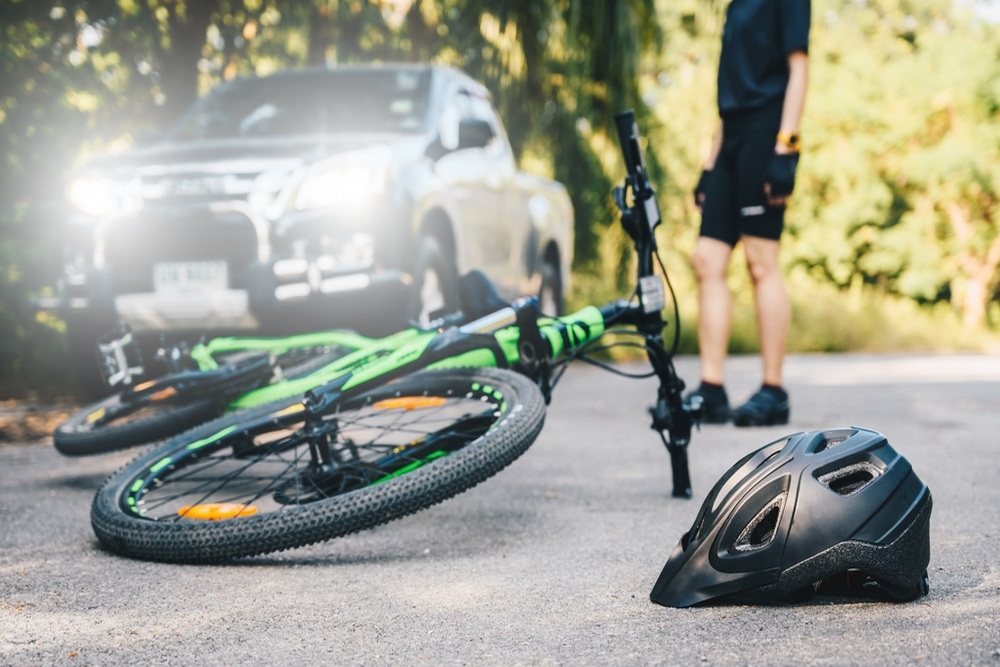
Why Getting the Police Report Right Can Make or Break a Bicycle Accident Case
After a bicycle accident, the police report often serves as the basis for how insurance companies view the incident and, if needed, the court. When you are injured and shaken, it may not feel like a single document could carry that much weight, but it often does. The report captures early details, including where and how the crash occurred, who was involved, and whether any citations were issued. These details can influence how fault is assigned before you ever have a chance to explain your side fully. If essential facts are missing or recorded inaccurately, you may find yourself fighting an uphill battle later. As a cyclist, you are already vulnerable to assumptions that favor drivers. Making sure the initial account reflects what actually happened helps prevent those assumptions from shaping the outcome of your case.
What Can Go Wrong When a Police Report Is Incomplete or Inaccurate
Police officers usually arrive after the collision, so they rely heavily on statements from those involved and any available evidence. If you are injured, confused, or transported for medical care, your voice may be limited at the scene. This can result in a report that leans too heavily on the driver’s version of events. Errors such as incorrect diagrams, missing witness information, or vague descriptions of road conditions can weaken your claim. Even small mistakes, like the wrong direction of travel or an unclear point of impact, can be used to question your credibility. Insurance adjusters often treat the police report as a neutral authority, even when it contains flaws. Understanding how these issues arise helps you recognize why carefully reviewing the report is essential to protecting your interests.
Steps You Can Take to Support an Accurate Police Report
While you cannot control everything that goes into a police report, there are steps you can take to support accuracy. If you are physically able, provide clear and calm information about what happened, including where you were riding and what the driver did just before the crash. Point out traffic signals, bike lanes, or hazards that played a role. If there are witnesses, let the officer know and encourage those individuals to stay and give statements. Ask how you can obtain a copy of the report once it is completed so you can review it. If you later notice errors, there may be ways to request corrections or add supplemental information. Acting early helps ensure that your version of events is not lost or overshadowed, especially when injuries prevent you from fully participating at the scene.
Why the Police Report Matters for Compensation and Fault
When you seek compensation after a bicycle accident, the police report often becomes one of the first documents reviewed. It can affect how fault is assigned, whether claims are approved, and how settlement discussions unfold. If the report suggests shared blame or places fault on you without proper support, insurers may reduce or deny compensation. This can impact your ability to recover medical expenses, lost income, and other losses tied to the crash. A well-documented report that accurately reflects the driver’s actions, road conditions, and witness observations strengthens your position. Bicycle Injury Firm helps you identify potential issues within the report and understand how it fits into the broader picture of your case, guiding you through the process so your rights remain intact and your claim stays on solid ground.
Getting Help When the Report or Process Feels Overwhelming
Dealing with a police report while recovering from a bicycle accident can feel stressful and confusing, especially if you believe something is wrong or unfair. You may be unsure how to address mistakes, respond to a citation, or move forward with a claim that depends heavily on that document. You do not have to handle these challenges alone or guess at the proper steps. Bicycle Injury Firm works with you to review the details, explain your options, and help you avoid missteps that could harm your case. If you have been cited or need guidance on your legal options, Bonnici Law Group is ready to support you.
If you’ve been cited or need guidance on your legal options, Bonnici Law Group is ready to support you. Call (858) 261-5454 or complete our online form for a free consultation today.
post comments
Together We Rise: A Campaign for Everyone