Bike Lane Collisions and Liability Issues for Injured Cyclists
Bike lanes are designed to provide cyclists with a safer space to travel while sharing the road with motor vehicles. Despite these designated areas, accidents continue to occur, often leaving injured cyclists facing serious physical, emotional, and financial hardships. A collision in a bike lane can happen in a matter of seconds when a driver fails to yield, enters the lane without checking for cyclists, opens a vehicle door into a rider’s path, or makes an unsafe turn across the lane. While bike lanes are intended to reduce risks, they do not eliminate the possibility of negligence by motorists, property owners, or even government entities responsible for road maintenance. When you are injured in a bike lane collision, determining who is legally responsible can become a critical part of pursuing compensation for your injuries and losses. Understanding the unique liability issues involved can help you make informed decisions after an accident and strengthen your ability to protect your legal rights.
Understanding Common Causes of Bike Lane Collisions
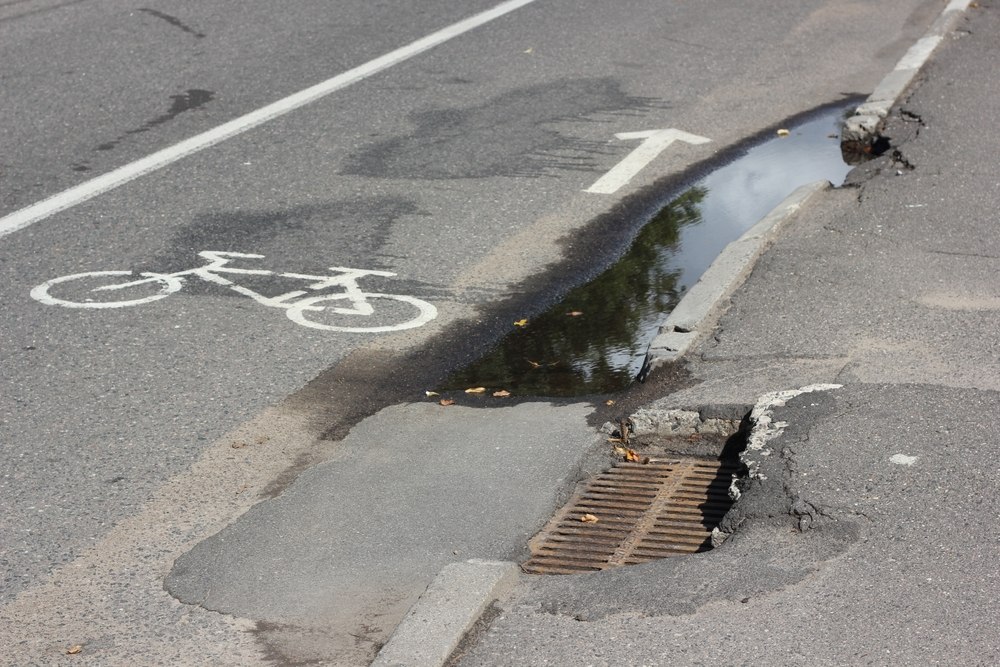
Many bike lane accidents occur because drivers fail to recognize or respect cyclists’ presence. One common scenario involves motorists making right or left turns across a bike lane without checking for approaching riders. Drivers may also merge into bike lanes without signaling, stop their vehicles in designated cycling areas, or open car doors directly into the path of an oncoming bicycle. Delivery vehicles, rideshare drivers, and commercial trucks can create additional hazards when they block bike lanes or make sudden maneuvers. Beyond driver negligence, poorly maintained roads can contribute to accidents by creating dangerous conditions such as potholes, uneven pavement, debris, faded lane markings, or obstructed visibility. Construction zones that fail to provide safe accommodations for cyclists may also increase the likelihood of collisions. Identifying the specific cause of the accident is an essential step because liability often depends on understanding exactly how the incident occurred and which party failed to meet their duty of care.
Determining Liability After a Bike Lane Accident
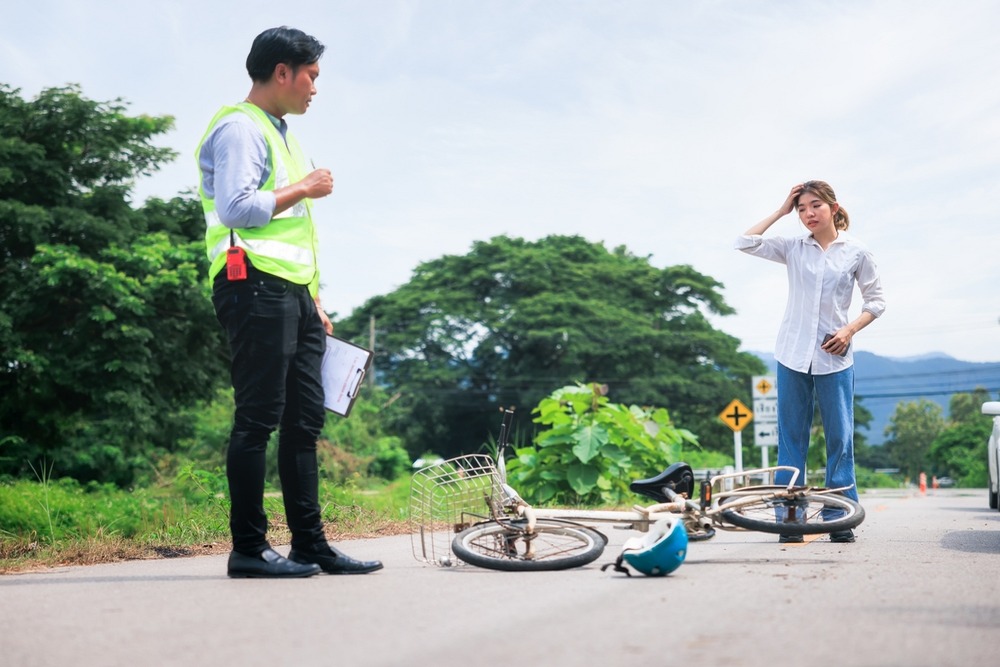
Liability in a bike lane collision is not always straightforward. While a negligent driver may be the primary responsible party, other individuals or entities can also share responsibility depending on the circumstances. For example, if a commercial vehicle operator causes the accident while performing work duties, the employer may bear legal responsibility for the driver’s actions. If hazardous road conditions contributed to the crash, the government agency responsible for roadway maintenance could potentially be held accountable. Construction companies that create unsafe conditions near bike lanes may also face liability when their actions contribute to an accident. In some situations, multiple parties may share fault, making the claims process more complex. Insurance companies often examine every detail of the collision and may attempt to argue that the cyclist contributed to the accident. Because liability disputes can significantly affect the outcome of a claim, gathering evidence such as photographs, witness statements, police reports, surveillance footage, and accident reconstruction analysis can play a vital role in establishing who should be held responsible.
The Impact of Injuries and Damages on Your Claim
Bike lane collisions frequently result in injuries that extend far beyond immediate medical treatment. Because cyclists have limited protection during a crash, injuries can include broken bones, head trauma, spinal injuries, internal injuries, severe abrasions, and long-term mobility issues. The financial impact can quickly become overwhelming as medical bills accumulate and time away from work leads to lost income. In addition to these economic losses, you may experience ongoing physical pain, emotional distress, anxiety about riding again, and disruptions to your daily routine. Compensation in a bicycle accident claim may include medical expenses, rehabilitation costs, lost wages, reduced earning capacity, property damage, and damages related to pain and suffering. The severity of your injuries, the strength of the evidence, and the extent of liability all influence the value of a claim. Proper documentation of your injuries and treatment can help demonstrate the full impact the accident has had on your life and support your pursuit of fair compensation.
Protecting Your Rights After a Bike Lane Collision
Taking immediate action after a bike lane accident can make a meaningful difference in the outcome of your claim. Seeking prompt medical attention not only addresses your injuries but also creates important records that connect those injuries to the collision. Reporting the accident, collecting evidence, and preserving documentation related to medical care and financial losses can help strengthen your case. Because liability disputes are common in bike lane collisions, having experienced legal guidance can be valuable when dealing with insurance companies and determining all potentially responsible parties. If you have been injured in a bike lane collision caused by a negligent driver, unsafe roadway conditions, or another preventable hazard, connecting with Bicycle Injury Law can provide the support, legal representation, and advocacy needed to pursue the compensation you may be entitled to while protecting your interests throughout the claims process.
If you’ve been cited or need guidance on your legal options, Bonnici Law Group is ready to support you. Call (858) 261-5454 or complete our online form for a free consultation today.
post comments
Together We Rise: A Campaign for Everyone